BLOG
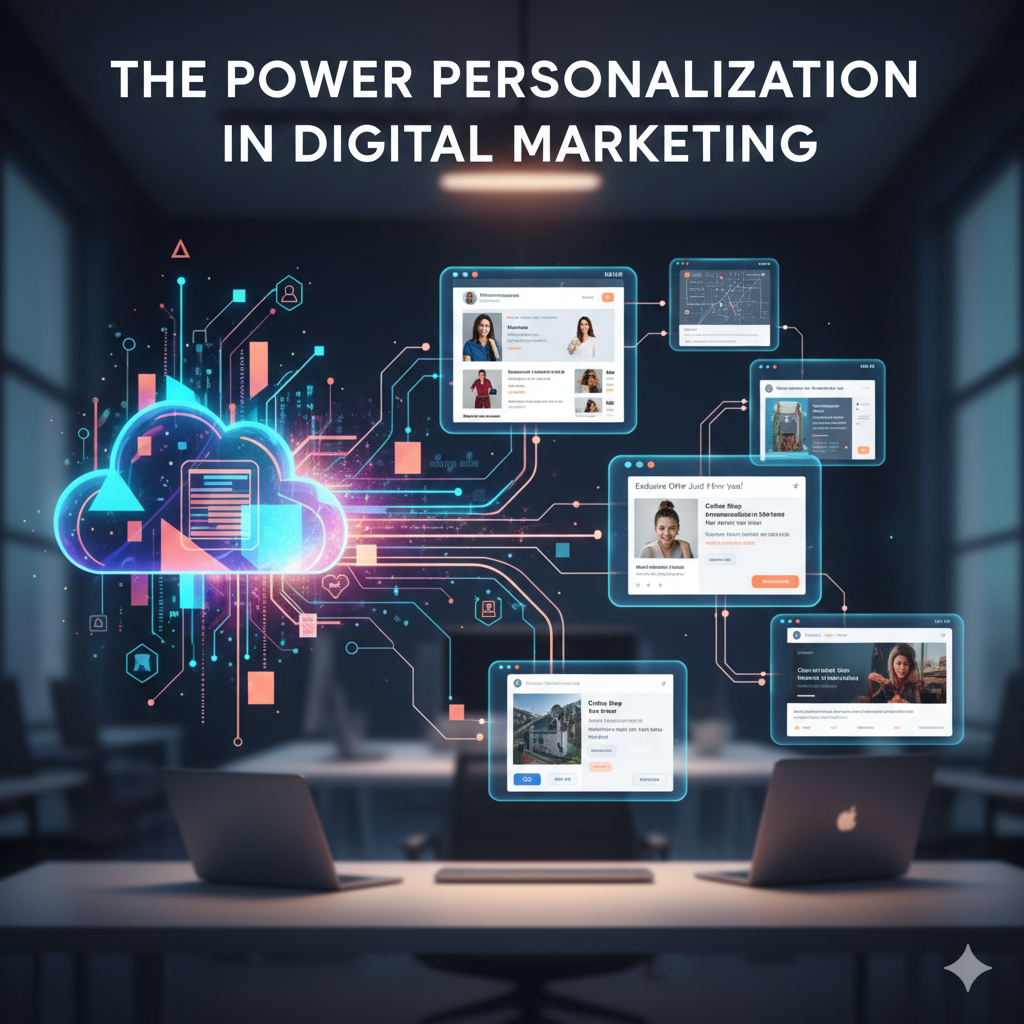
The Power of Personalization: Why Generic Marketing No Longer Cuts It
In today’s crowded digital landscape, shouting your message from the rooftops isn’t enough. Consumers are bombarded with information, and their attention spans are shorter than ever. So, how do you cut through the noise and genuinely connect with your audience? The answer lies in personalization.
Gone are the days of one-size-fits-all marketing campaigns. Modern consumers expect experiences tailored to their individual needs, preferences, and behaviors. And smart marketers? They’re leveraging data and technology to deliver exactly that.
What is Personalization in Digital Marketing?
Simply put, personalization involves tailoring your marketing messages, content, and offers to individual customers or segments based on data you’ve collected about them. This goes beyond just addressing someone by their first name in an email. It’s about:
- Content recommendations: Suggesting products or articles based on past browsing history.
- Dynamic website content: Showing different website elements (e.g., banners, calls to action) to different visitors.
- Targeted email campaigns: Sending relevant emails based on user behavior (e.g., abandoned carts, recent purchases, loyalty status).
- Personalized ads: Delivering ads to users who have shown interest in specific products or services.
Why Personalization is No Longer Optional
The benefits of personalization are clear and compelling:
- Increased Engagement: When content is relevant, people are more likely to interact with it. Personalized calls to action convert 202% better than generic ones.
- Improved Customer Experience: Customers feel understood and valued, leading to stronger brand loyalty.
- Higher Conversion Rates: Relevant offers lead to more purchases and sign-ups.
- Enhanced Brand Perception: Brands that personalize are often seen as more innovative and customer-centric.
- Better ROI: By focusing resources on targeted audiences, you reduce wasted ad spend and maximize impact.
How to Implement Personalization Effectively
Getting started with personalization doesn’t have to be overwhelming. Here are key steps:
- Collect the Right Data: This includes demographic data, behavioral data (website clicks, purchase history), psychographic data (interests, values), and firmographic data (for B2B). Tools like Google Analytics, CRM systems, and marketing automation platforms are your best friends here.
- Segment Your Audience: Group your customers into meaningful segments based on shared characteristics. This could be anything from “first-time visitors” to “loyal customers interested in X product.”
- Choose Your Channels: Decide where you’ll implement personalization first. Email marketing and website experiences are often great starting points.
- Utilize the Right Tools: Invest in marketing automation platforms (e.g., HubSpot, Mailchimp, Salesforce Marketing Cloud), CMS platforms with personalization features, and A/B testing tools.
- Test and Iterate: Personalization is an ongoing process. Continuously test different approaches, analyze results, and refine your strategies.
The Future is Personal
As AI and machine learning continue to advance, the capabilities for hyper-personalization will only grow. Brands that embrace this shift will be the ones that thrive, building deeper connections and driving significant results.
Proudly powered by WordPress
Proudly powered by WordPress

Proudly powered by WordPress

Hi, this is a comment.
To get started with moderating, editing, and deleting comments, please visit the Comments screen in the dashboard.
Commenter avatars come from Gravatar.